Before you weigh a therapy:
Learn to Read the Science With Confidence.
Our research library tells you where the evidence stands on each therapy. These short guides help you weigh it: how to check a claim yourself, why so much of the evidence is thin, and how to decide for your family. Where you land always stays yours.
5 guides · read them in order, or start with the one you need
Reading the research
How to tell a real finding from a good story
Nine quick questions that separate a real finding from a good story. The first take seconds; you'll rarely need all nine.
9 checks · about 6 min
Why the evidence is thin
Why so many therapies say “not enough evidence”
It's real, and it's not your imagination. Why most autism research is uncertain, and why autism is genuinely hard to study.
2 questions · about 5 min
Weighing it for your family
How to read, weigh, and act on autism research
What researchers and autistic adults each ask of parents, the evidence ladder, and the questions to put to any therapy you're offered.
7 questions · about 8 min
How we work
How a question becomes an answer you can trust
One honest question through the same five steps we use on every topic, told beside a food critic answering one of her own.
5 steps · about 4 min
Why we do it this way
We've already read it, so you don't have to
The promises we make on every question we answer, and the ones we'll never make. Why each one is here, point by point.
6 principles · about 3 min
Free PDF guides
Choosing a Therapist? Bring the Right Questions.
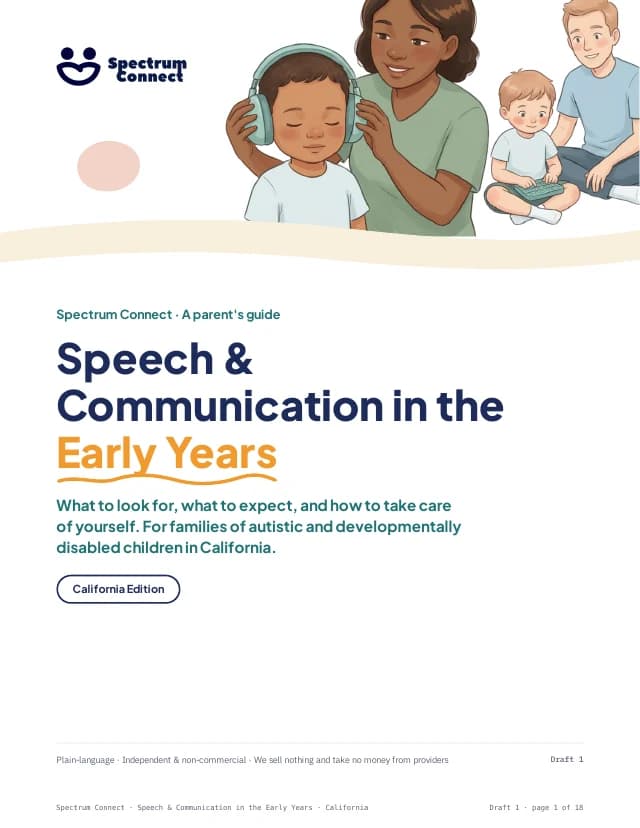
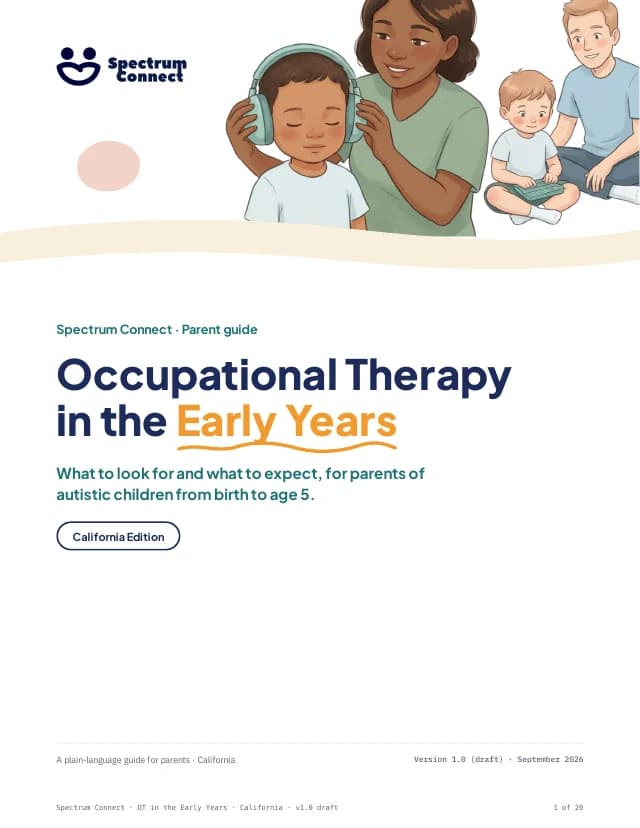
Short, sourced guides for the first years: what good ABA, speech and occupational therapy look like, the questions to ask, and what the research says. Free to download.

Ready to Look at a Specific Therapy?
Every review in the research library shows its search, every study it read, and how settled the answer is, so you can put these guides to work.
Browse the research library